Why Your Running Injuries Keep Coming Back
You rest.
You stretch.
You wait until the pain fades.
Then you start running again, and a few weeks later the same injury returns. This cycle is one of the most common frustrations in the running community. When an injury resurfaces, it usually signals that the initial treatment only addressed the symptoms rather than the mechanical or structural root of the problem.
Running is a unique sport because it requires the body to manage forces between three and four times your body weight with every single step. If you run five kilometers, you may be striking the ground over four thousand times. Even a tiny imbalance or a slight deficit in tissue capacity becomes magnified over those thousands of repetitions.
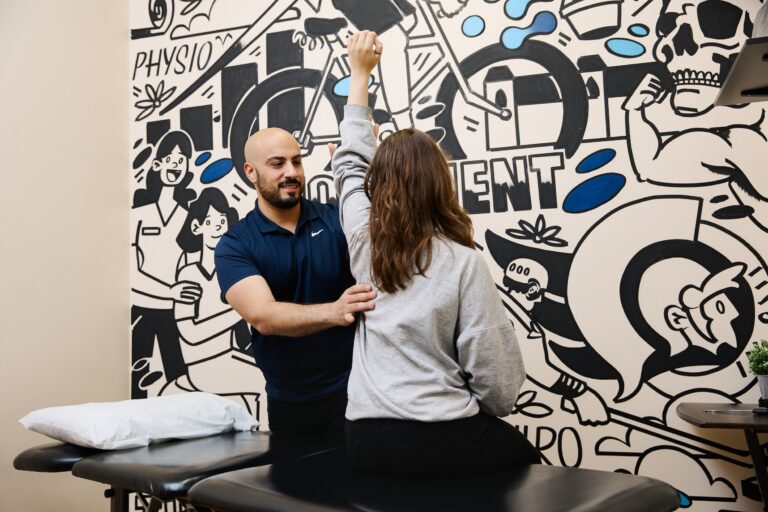
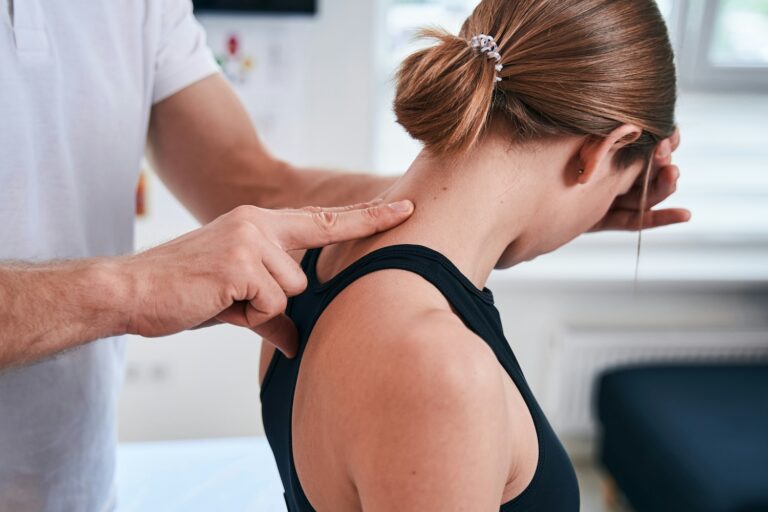
At Trinity Physiotherapy in Orleans, we look beyond the immediate pain in your knee or ankle. We focus on why that specific tissue reached its breaking point. By understanding the relationship between training load, muscle strength, and running biomechanics, we can help you break the cycle of re-injury and build a body that is truly resilient.
The Science of Tissue Capacity and Load
To understand why injuries return, we must first understand tissue capacity. Every structure in your body, whether it is the Achilles tendon, the plantar fascia, or the tibia, has a specific limit of how much stress it can handle before it begins to break down.
When you are healthy, your training load stays well below your tissue capacity. As you run, you create microscopic damage in your tissues, which is a normal part of training. During rest, your body repairs that damage and actually increases the capacity of the tissue. This is how you get stronger.
An injury occurs when the training load exceeds the tissue’s capacity. If you simply rest until the pain goes away, your pain levels drop, but your tissue capacity actually decreases because of inactivity. If you return to your previous running volume without first rebuilding that capacity, you will hit your breaking point even sooner than before. This is the physiological trap that leads to recurrent running injuries.
Load Mismanagement: The 10 Percent Rule and Beyond
One of the most common drivers of recurrent running injuries is the mismanagement of training volume. While many runners follow the ten percent rule of never increasing weekly mileage by more than ten percent, this is often too simplistic.
Load is not just about mileage. It is a combination of volume, intensity, and frequency. A runner might keep their mileage the same but suddenly add hill repeats or interval sprints. These high-intensity sessions place a significantly higher “peak load” on the Achilles tendon and the calf muscles.
Common conditions caused by these sudden spikes in load include:
Patellofemoral Pain Syndrome
Often called runner’s knee, this involves irritation of the cartilage behind the kneecap. It frequently returns because runners focus on stretching their quads rather than strengthening the hip stabilizers that prevent the knee from tracking poorly under heavy loads.
Achilles Tendinopathy
Tendons are like springs. They love consistent, predictable loading. They hate sudden changes. If you take a few weeks off and then immediately return to speed work, the Achilles tendon often reacts by becoming thickened and painful again.
Medial Tibial Stress Syndrome
Commonly known as shin splints, this is an early warning sign that the bone is struggling to keep up with the impact forces of running. If you do not address the bone’s ability to remodel, these can quickly progress to stress fractures.
The Hidden Strength Deficits in Runners
Many runners believe that the best way to get better at running is simply to run more. While specificity is important, running is essentially a series of thousands of single-leg hops. If you do not have the foundational strength to stabilize your joints during those hops, your connective tissues will pay the price.
The Role of the Gluteus Medius
The gluteus medius sits on the side of your hip. Its primary job during running is to keep your pelvis level when one foot is off the ground. If this muscle is weak, your hip will drop and your knee will cave inward. This creates altered mechanics and forces more load on the knee and the IT band.
The Calf Complex as a Shock Absorber
Your calf muscles, specifically the gastrocnemius and the soleus, are responsible for the majority of the propulsion and shock absorption in the lower leg. The soleus, in particular, handles loads of up to eight times your body weight during running. Many recurring calf and Achilles injuries happen because runners have the cardiovascular fitness to run a half marathon, but their calf muscles only have the strength to support a five-kilometer run.
Biomechanics and Movement Inefficiencies
Sometimes the issue is not how much you run, but how you move. Biomechanical inefficiencies act like a “tax” on every stride, making your body work harder than it needs to.
Overstriding and Braking Forces
Overstriding occurs when your foot lands too far in front of your center of mass. This creates a massive braking force that travels straight up through the heel, shin, and knee. By increasing your cadence, the number of steps you take per minute, you can encourage a more neutral foot strike under your body, significantly reducing the impact on your joints.
The Impact of Foot Arch Mechanics
Whether you have high arches or flat feet is less important than how your foot moves under load. Excessive pronation (the foot rolling inward) that is not controlled by the muscles of the lower leg can cause the entire leg to rotate inward, leading to recurring issues in the hip and lower back.
Injury Prevention Strategies for Longevity
To keep your running career long and healthy, consider these foundational habits:
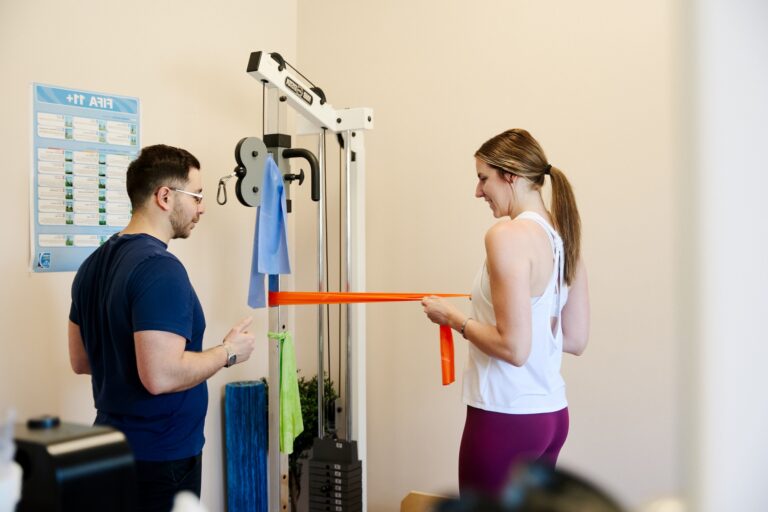
- The Two Session Rule: Perform at least two dedicated strength sessions per week, focusing on heavy calf raises and single-leg hip stability.
- Variable Surfaces: Avoid running on the exact same pavement every day. Mixing in trail running or track work changes the way load is distributed through your joints.
- Monitor Your Sleep: Most tissue repair happens during deep sleep. If you are training hard but sleeping poorly, your injury risk increases exponentially.
Reclaim Your Run in Orleans
Running should be a source of health and joy, not a source of constant frustration and pain. If you find yourself stuck in a cycle of rest and relapse, it is time to change your strategy. Your body is incredibly adaptable, but it requires a structured approach to build the necessary capacity for the miles ahead.
If you are ready to stop managing pain and start building performance, the team at Trinity Physiotherapy in Orleans is ready to help. We provide the expertise and the roadmap you need to move from the clinic back to the starting line.